01 Source
Find water that lasts.
Before anyone drills, a hydrogeologist maps springs, aquifers and rainfall with the county water office. A dry borehole helps nobody.
We measure safe yield, in litres per hour.
A Kenyan foundation for safe water, based in Nairobi.
We bring safe water within a short walk of homes, schools and clinics. Then we stay, so it keeps running.
Move across the pot to rock it Drag the pot to rock it
Walk to safe water
6.0 km
Sample household, for illustration
01 Source
Before anyone drills, a hydrogeologist maps springs, aquifers and rainfall with the county water office. A dry borehole helps nobody.
We measure safe yield, in litres per hour.
02 Distance
We walk the route with the people who carry the water and time it in both seasons. That number becomes the brief.
We measure metres and minutes, door to water.
03 Treatment
Chlorine at the kiosk, filters at the clinic and a field test every month. Results are posted at the water point.
We measure free chlorine and E. coli, monthly.
04 Taps
Schools, clinics and markets first, then household connections wherever the pipe network reaches.
We measure people served within 200 metres.
05 Upkeep
A trained water committee, a fair tariff that pays for repairs and a mechanic on call. We stay long after the opening day.
We measure days out of service, every quarter.
Every project starts with a tape measure, not a press release. We count the metres between a family and safe water, and we judge our work by how many of those metres disappear.
Kenyan-led. Every scheme is designed with the county government and handed to a community water committee that owns it.
Photographs are illustrative stock images, not Mtungi projects.
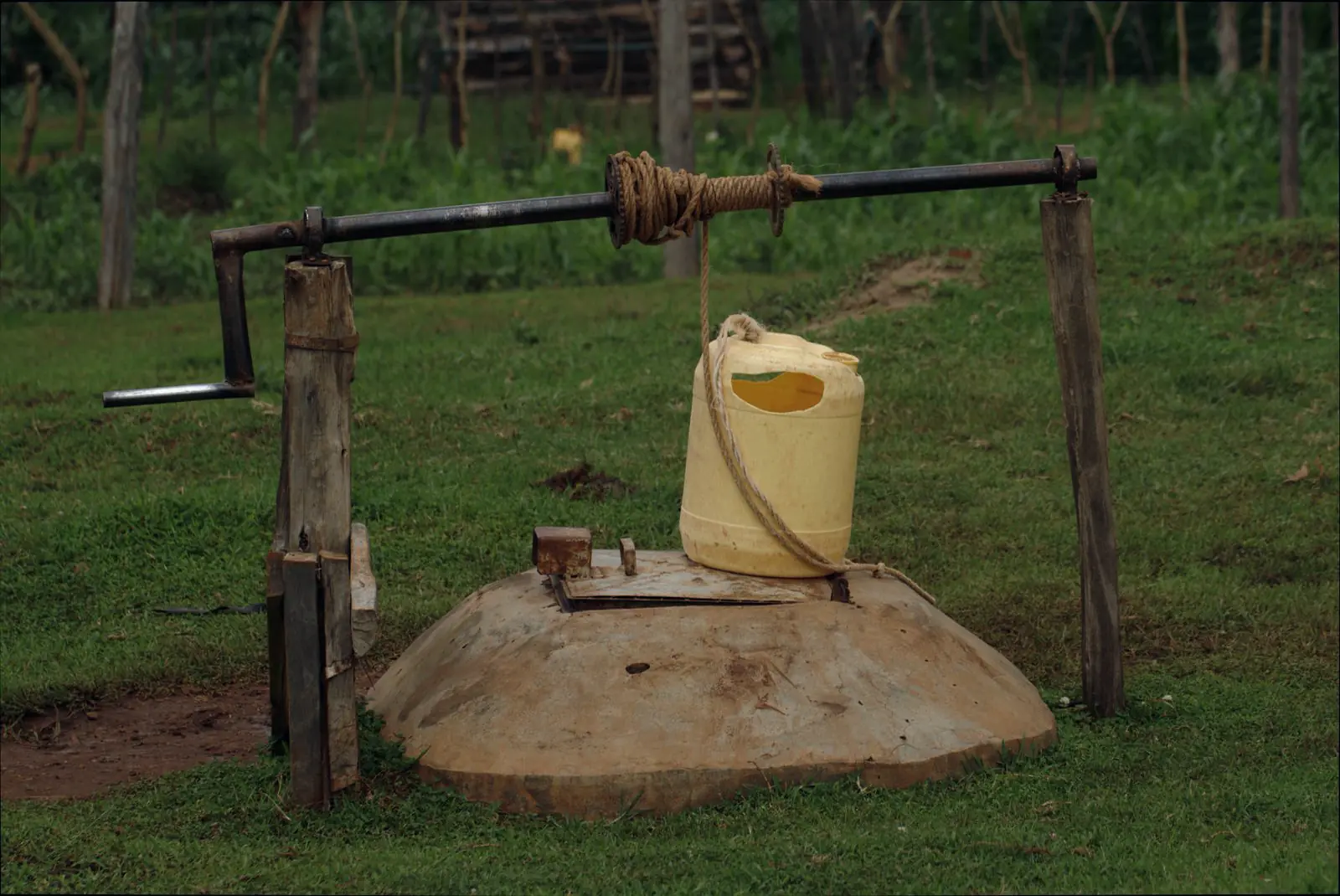
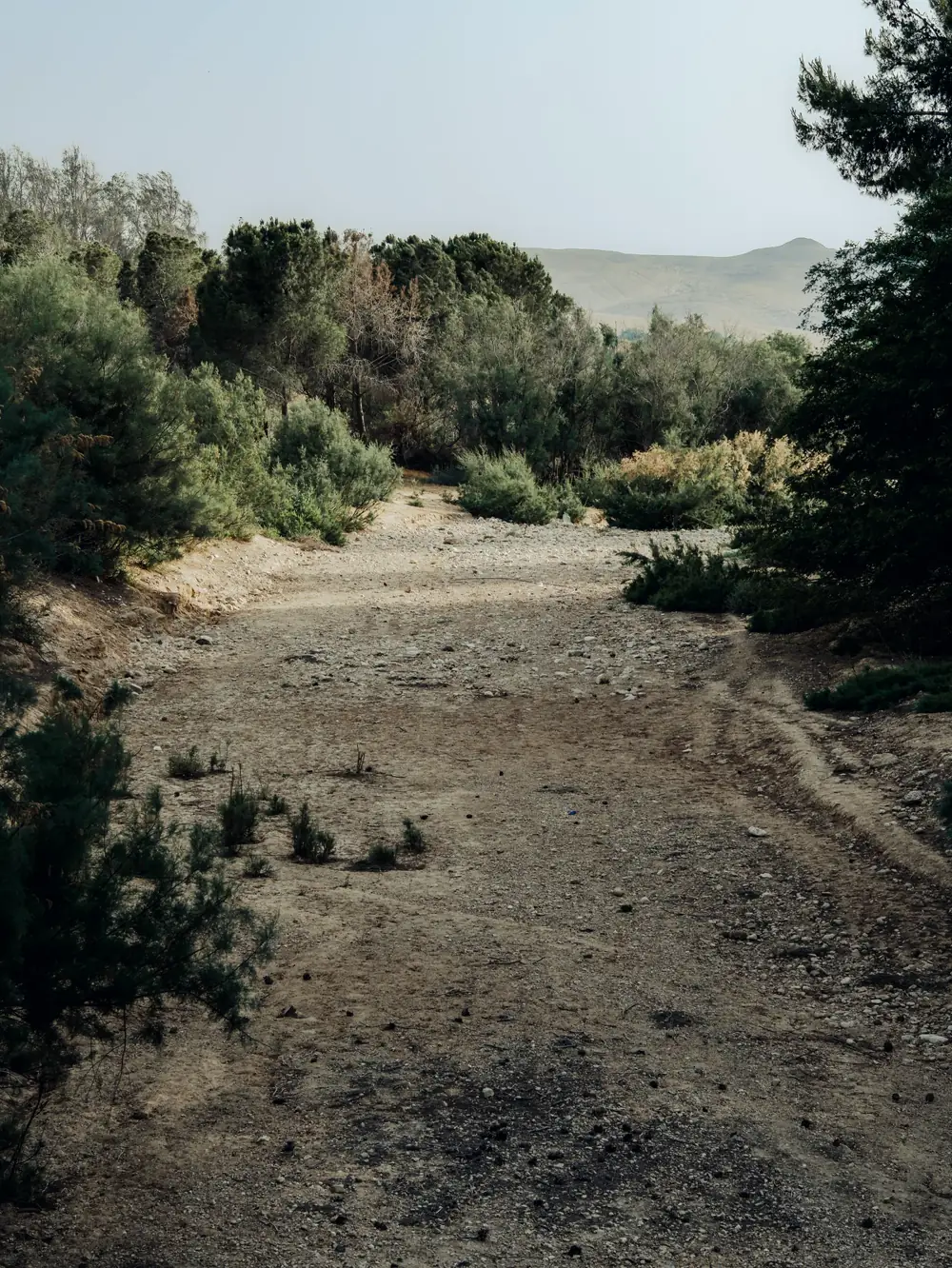
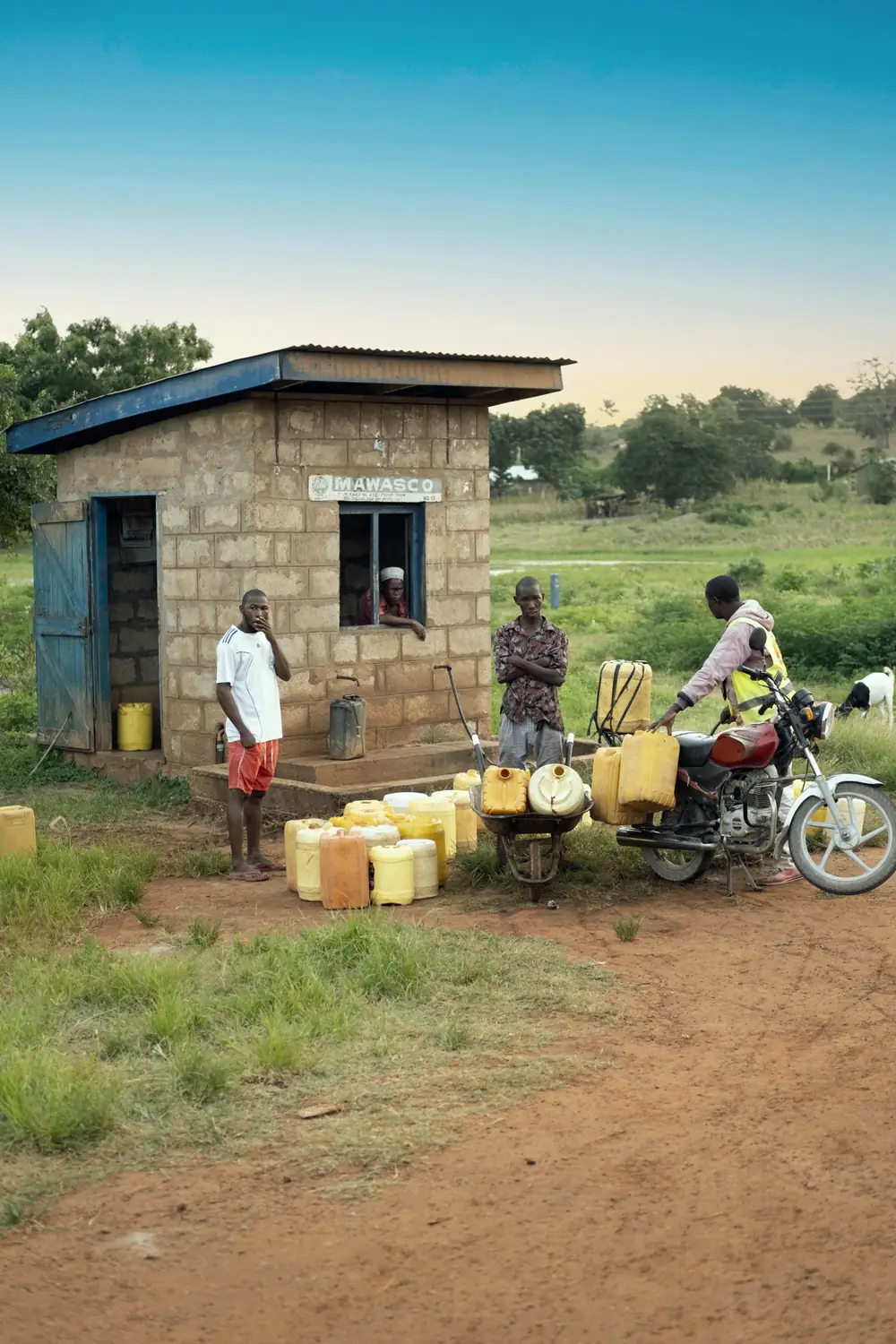
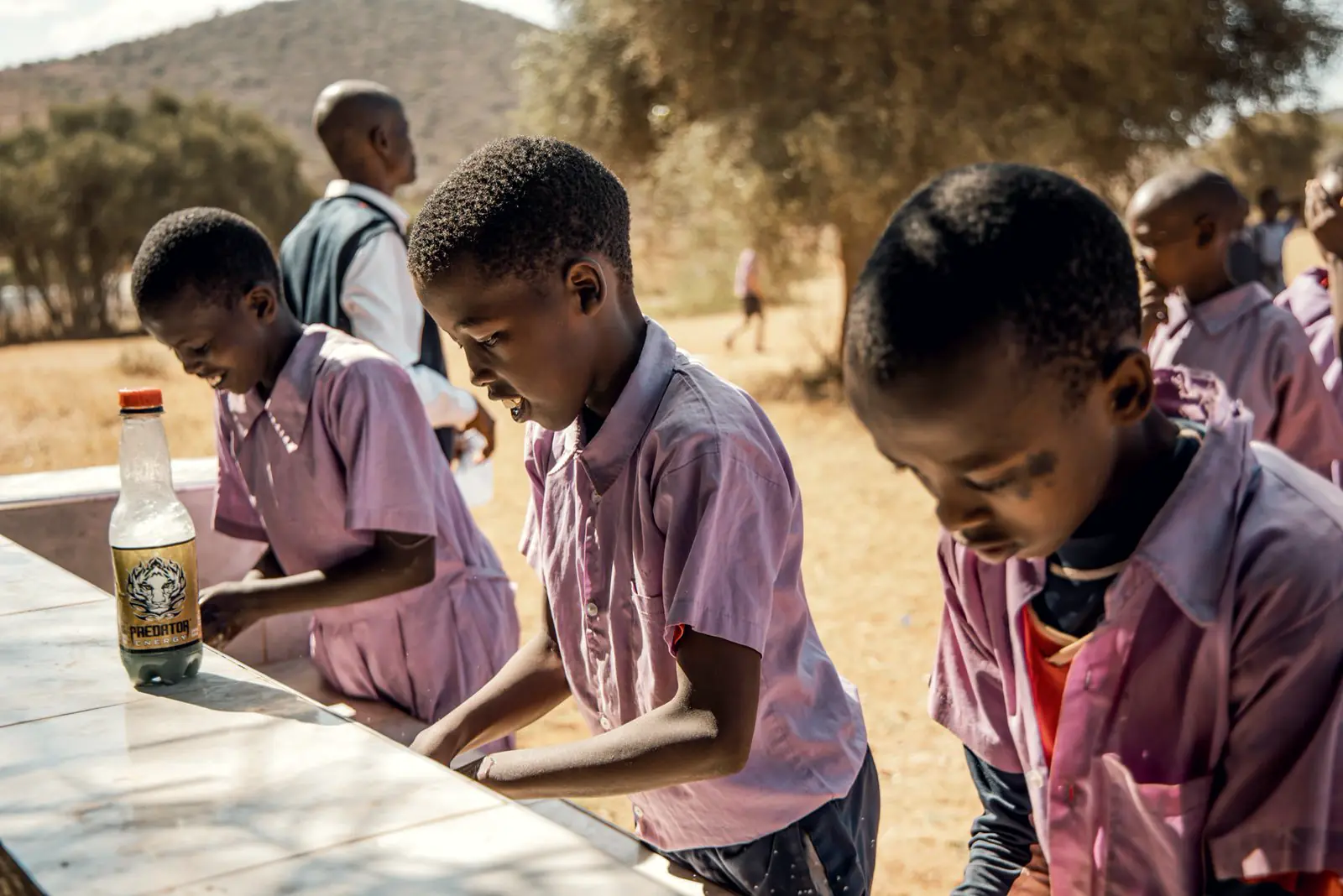
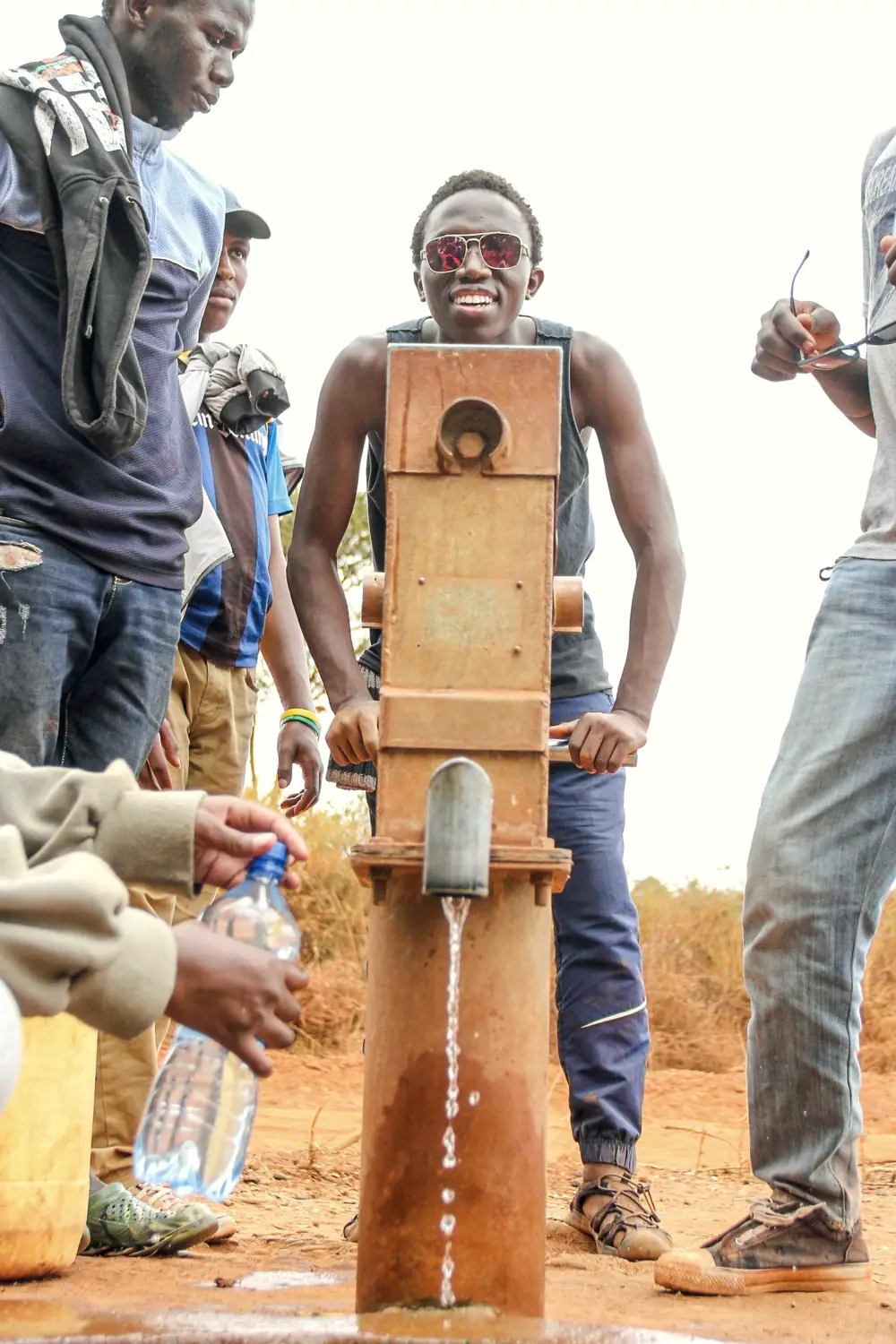
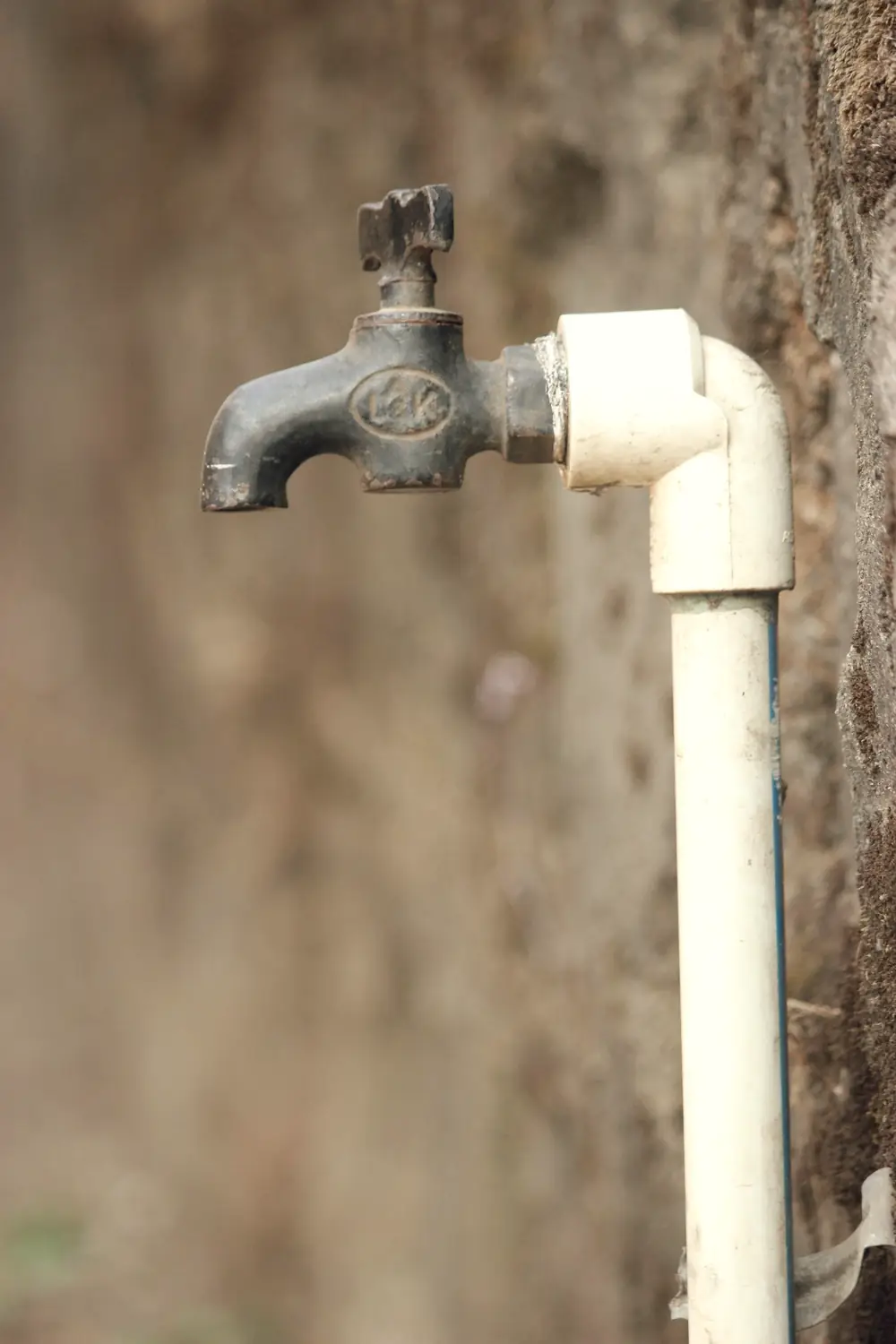
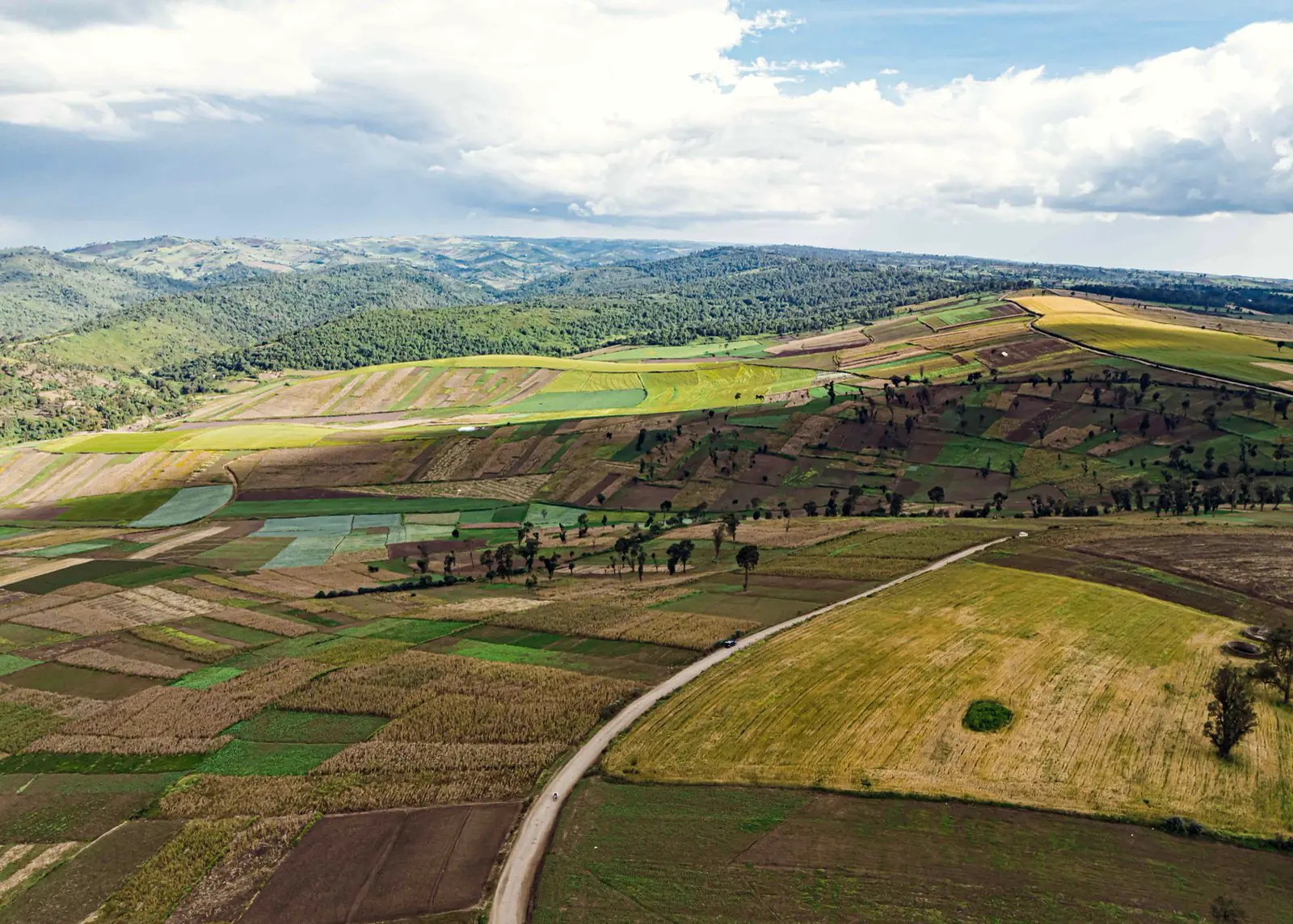 Vince Pictures
Five counties, chosen by distance to water, not by visibility. Sample programme list.
| County | Focus | Water points | Since |
|---|---|---|---|
| Kitui | Sand dams and shallow wells | 24 | 2019 |
| Makueni | Spring protection, school taps | 18 | 2020 |
| Kajiado | Boreholes with solar pumping | 9 | 2021 |
| Machakos | Rainwater tanks for clinics | 31 | 2022 |
| Nairobi | Kiosk water quality in informal settlements | 12 | 2023 |
All figures in this table are sample content for a concept build.
An independent board governs Mtungi, and the accounts are audited every year. This is how it is built. Sample structure for this concept.
Members are named in the annual report.
Sample allocation, for illustration only.
Open data: every water point, its status and its last test result, published each quarter.
For companies, foundations and county governments.
Fund one water system from survey to year five, with quarterly reports and site visits.
Payroll giving and matched gifts, with one annual statement for your finance team.
Engineers, data teams and auditors who give time to our programmes.
Pick an amount. The pot fills with what it pays for.
Sample figures for this concept, not real costs.
Office
00 Example Road
Nairobi, Kenya
Write or call
Hours
Monday to Friday, 8.30 to 5, East Africa Time
Registration
Registered charity no. 00000 (placeholder)